
pastila · guide
What is pastila? The apple sweet with two ingredients
Pastila is a baked-apple confection made from whipped apple purée and egg white. Here is how it is made, what it tastes like and why it needs no added sugar.
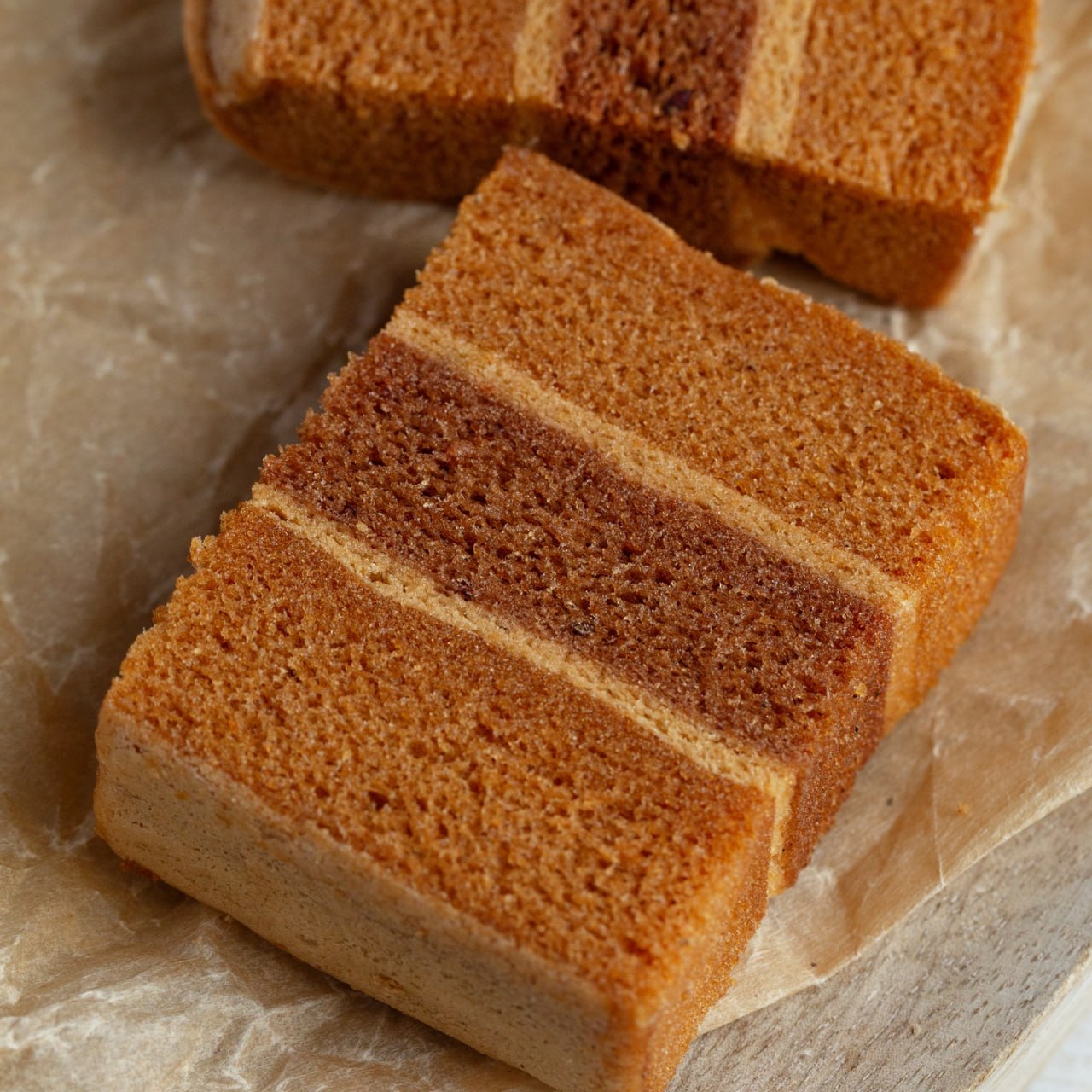
Pastila is a confection made from baked apples, whipped with a little egg white and slowly dried until it sets into a light, layered loaf. That is the whole recipe. No added sugar, no flour, no gelatine; the apple does the sweetening and the setting by itself. It looks like a slice of cake, weighs about as much as a biscuit and tastes like the inside of a baked apple. It is also the base of every Apple Bar, meringue and dessert we make in Riga.
Where pastila comes from
The idea is older than any brand. Long before anyone sold it, households across the apple-growing north were preserving the harvest by baking the fruit, spreading the pulp thin and drying it in the fading heat of the stove. It was practical before it was pleasant: drying was the surest way to carry an orchard through the winter. These fruit pastes are the ancestors of pastila.
Pastila moved the way most good food moves: with people, along trade routes. It travelled well, and it found a home across the north of Europe wherever sour apples grow and winters are long. Today it is made in the Baltics, including by us in Riga, and sold from Latvia to Germany, Poland, Lithuania, Austria and Bulgaria. More about the bakery is on our story page.
How pastila is made
Six steps, most of them slow. The full version is on the how it’s made page; this is the short one.
- Bake. Whole apples go into the oven, skins on, until the flesh softens and the fruit’s own sugars caramelise. All the sweetness is made here.
- Purée. The baked fruit is pushed through a fine sieve. Skins, cores and pips stay behind; the smooth pulp goes on.
- Whip. The warm purée is whipped with fresh egg white until it triples in volume and holds a soft peak. Egg white is about one per cent of the recipe.
- Spread. The foam is spread in thin, even sheets on trays, so each layer dries evenly with no wet centre and no crust.
- Dry. The sheets dry for hours at low heat. Water leaves; flavour concentrates. Nothing is baked a second time.
- Layer. Dried sheets are brushed with a little of the same foam, stacked, pressed into a block and returned to the warmth to set. Cut a slice and the layers show like the pages of a book.
Why it needs no added sugar
Three things happen in the oven, and none of them involves a sugar bowl. An apple is mostly water; baking drives the water off and leaves the fruit’s own fructose behind, so the purée tastes sweeter than the apple that went in. Apples carry pectin, the fibre that makes jam set, and as the whipped purée dries that pectin holds the structure, so there is no call for gelatine, starch or flour. And whipped egg white traps thousands of tiny air pockets, which is why pastila is light and springy rather than dense and sticky.
The result is honest about its sugars: every gram of them is the apple’s own, and none of it is added. That is what the words “no added sugar” on our packs mean, and all they mean.
A baked apple with the water taken out and the air put in.
What it actually tastes like
The colour runs from amber to light brown, deeper at the edges where the sheets caramelised. The surface is matt and faintly grainy, never glossy. Press a slice and it gives like a firm sponge, then springs most of the way back. Bite it and the first texture is dry and airy, close to a fine meringue; a second later it turns soft and slightly chewy, and the layers separate on the tongue.
The taste is baked apple first, warm and rounded, like the filling of a good apple pie without the pastry. Behind it is the apple’s own tartness, which stops the sweetness from cloying. There is a faint note of meringue at the finish and nothing else, because there is nothing else in it.
Pastila today: bar, meringue, dessert
The traditional form is a layered loaf, sliced at the table. The same base, cut into 35 g portions and wrapped, becomes an App’Lite Apple Bar, which is how most people now meet pastila for the first time. Bake the foam until it crackles instead of drying it and you get a crisp App’Lite apple meringue, with no added sugar. Portion the base as a square and it is the App’Lite baked-apple dessert. One base, three shapes. The shop also sells Blum Baker’s flourless apple cake, made from the same two ingredients, apples and egg white.
How to eat it, and how to keep it
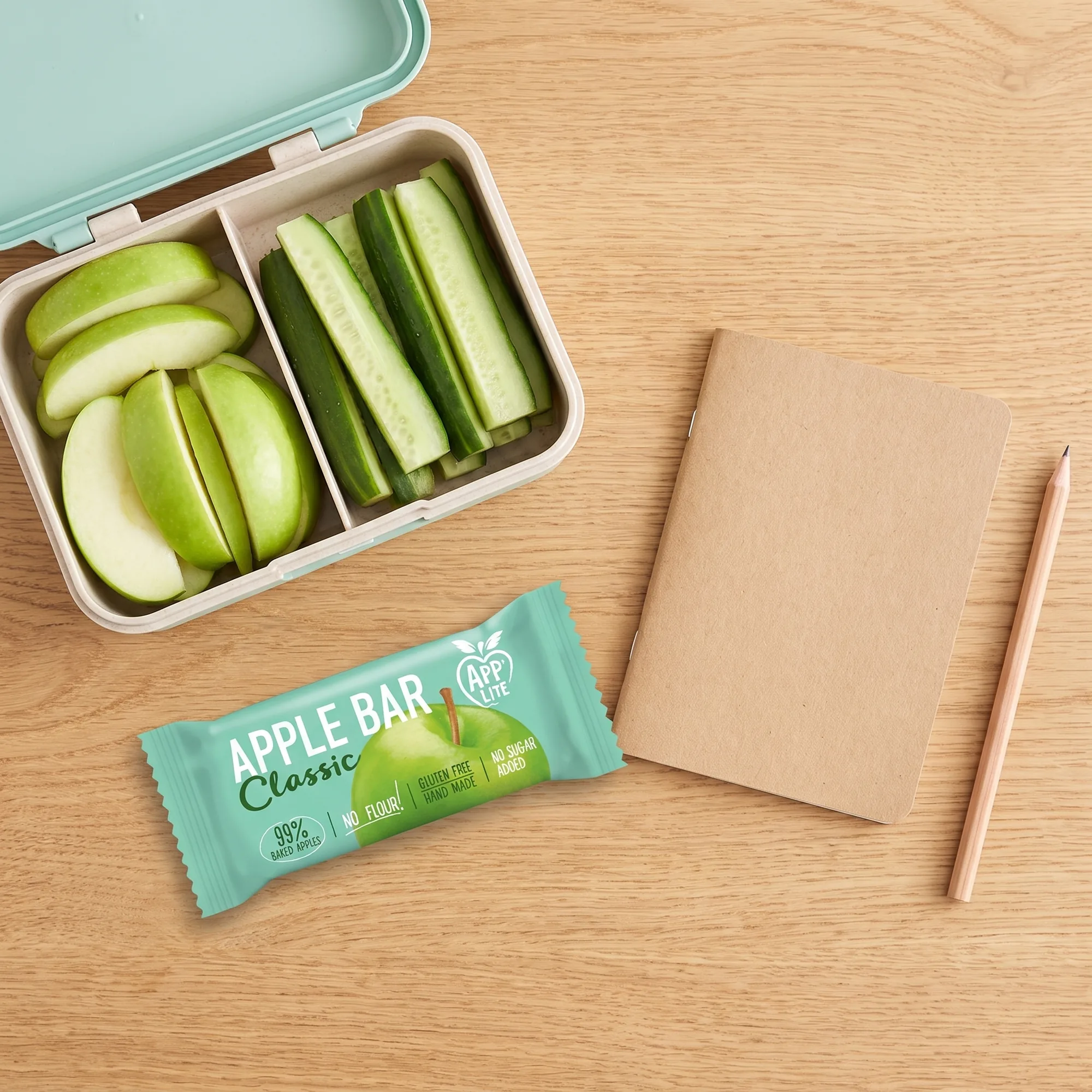
The original way is with tea: a thick slice beside strong black tea. A bar goes in a bag, a desk drawer or a lunchbox and survives all three. Sliced thin, pastila does well on a cheese board, where its sourness works the way quince paste does; crumbled, it goes over porridge or yoghurt.
An Apple Bar has a twelve-month shelf life. For everything else, the pack gives the best-before date and, where it states them, the storage conditions. More in the FAQ.
Two questions people ask
Is pastila the same as marshmallow?
No, although they share a whipped texture. Marshmallow is sugar syrup set with gelatine. Pastila is baked apple set with its own pectin, with egg white for air. One is a sweet with no fruit in it; the other is a fruit that happens to be sweet.
Is it vegan or gluten free?
Gluten free, yes: there is no flour and nothing containing gluten in the recipe. Vegan, no: egg white is essential to the texture. Full ingredient lists are on every product page and every pack.
That is pastila: an old household idea, still made from two ingredients. For the comparison with chocolate and granola bars, and who it suits, read why pastila. If you would rather just taste it, the shop is the shorter route; the Classic Apple Bar is the one to try first.
From the bakery
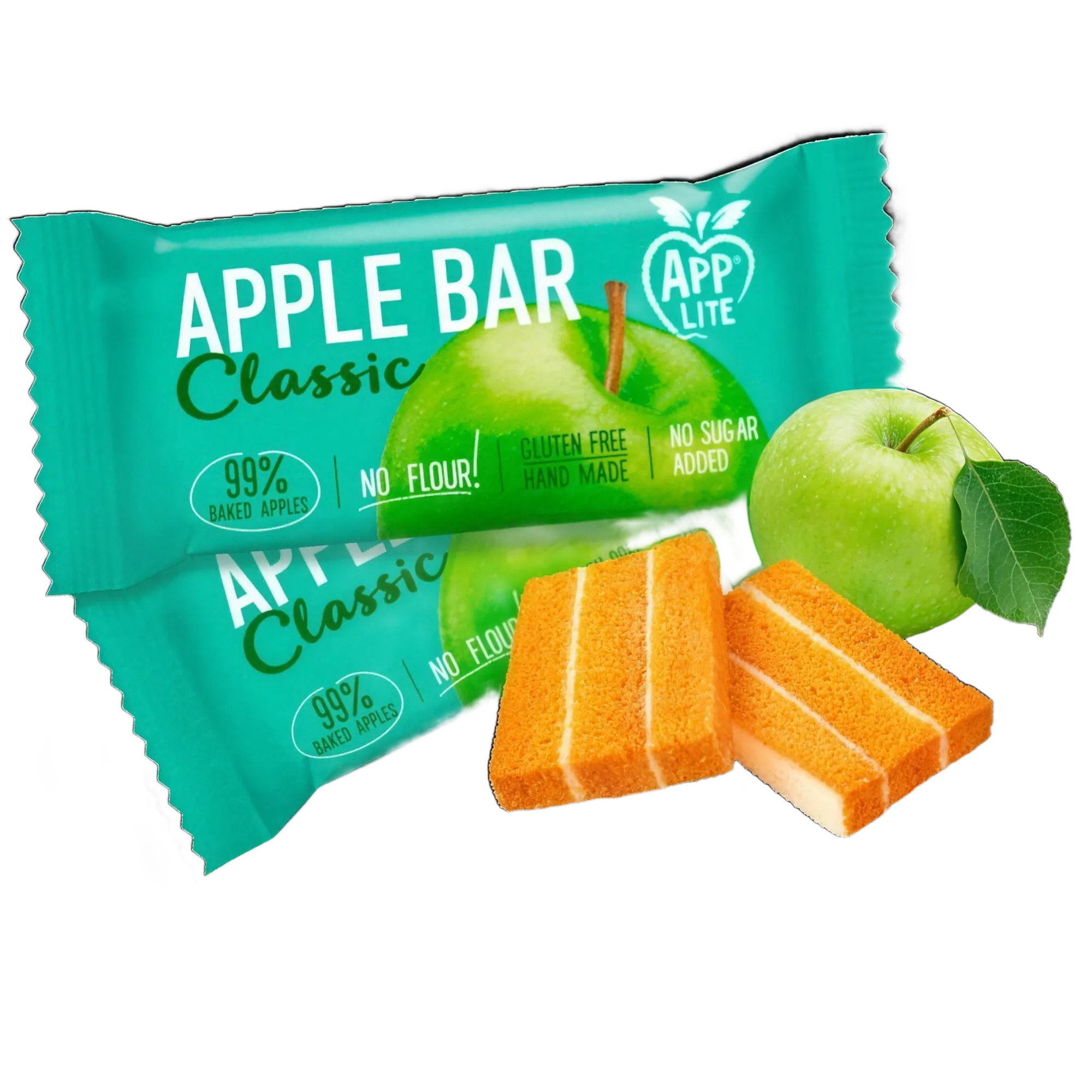
The bar these notes are about.
- 99% baked apples, plus egg white
- No added sugar, no flour, gluten free
- Classic or Berry Mix, 35 g a bar
- Keeps 12 months
Also read
Keep reading.
Taste the subject
Reading about apples is the slow way to find out.
Apple bars, meringues and baked-apple desserts, made in Riga with no added sugar. Parcels leave in 1–2 business days and ship across Europe; orders over €20 ship free.